
Call (206) 762-2573
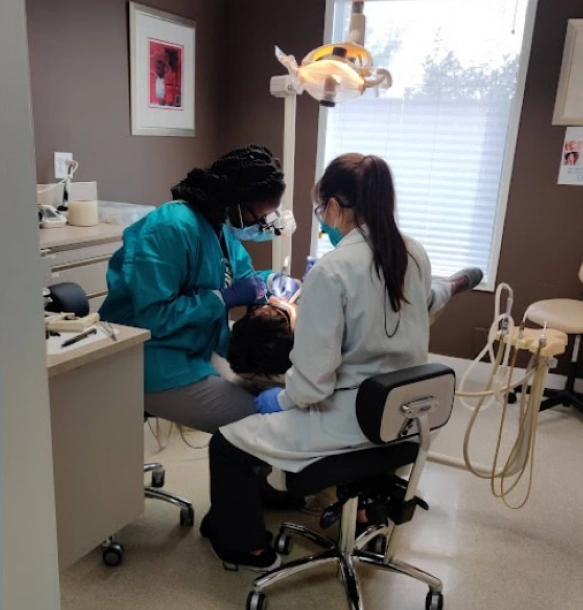
A Root Canal Is Not Something to Fear
Few dental procedures carry more anxiety than a root canal. But the truth is that a root canal does not cause pain, it relieves it. Most patients are surprised to find that the procedure feels very similar to getting a filling and that the relief from tooth pain afterward is significant and immediate.
At White Center Smiles in Seattle, we perform root canal therapy with modern techniques and anesthesia that make the experience far more comfortable than most patients expect. Our team takes time to make sure you are fully numb, fully informed, and fully at ease before we begin. If dental anxiety is a concern, we also offer oral sedation and nitrous oxide to help you stay calm throughout your appointment.

Schedule a Root Canal Consultation
What Is Root Canal Therapy?
Inside every tooth is a soft tissue called the pulp, which contains nerves, blood vessels, and connective tissue. When decay, a crack, or trauma allows bacteria to reach the pulp, it can become infected or inflamed. Left untreated, this infection can spread to the surrounding bone and tissue, cause an abscess, and ultimately lead to tooth loss.
Root canal therapy removes the infected or inflamed pulp, cleans and disinfects the inside of the tooth, and seals it to prevent reinfection. The tooth is then typically restored with a crown to protect it and restore full function.
The procedure saves the natural tooth, which is always our preference at White Center Smiles. Keeping your natural tooth avoids the need for an extraction and the more complex and costly process of replacing it with an implant or bridge.
Signs You May Need a Root Canal
Root canal infections do not always announce themselves with obvious pain. Some patients experience severe symptoms while others have little to no discomfort despite significant infection. Common signs that root canal therapy may be needed include:
- A severe, persistent toothache that does not go away
- Prolonged sensitivity to hot or cold that lingers after the source is removed
- A darkening or discoloration of the affected tooth
- Swelling or tenderness in the gums near the tooth
- A pimple-like bump on the gum near the tooth, which may indicate an abscess
- Pain when biting or applying pressure to the tooth
- A tooth that has been cracked, chipped, or traumatized
If you are experiencing any of these symptoms in the White Center or greater Seattle area, do not wait. Infections in the tooth can worsen quickly and early treatment leads to a simpler, more comfortable procedure and a better outcome.
Step by Step Through Your Treatment
01.
Examination and X-Rays
We begin with a thorough examination and digital X-rays to assess the condition of the tooth, the extent of the infection, and the anatomy of the root canals. This gives us the information we need to plan your treatment precisely.

Prev
Next
02.
Anesthesia and Comfort
Local anesthesia is administered to numb the tooth and surrounding area completely. For anxious patients, oral sedation or nitrous oxide can be added to help you feel relaxed throughout the procedure. We do not begin until you are fully comfortable.
Prev
Next
03.
Accessing the Pulp
A small opening is made in the top of the tooth to access the pulp chamber and root canals below.
Prev
Next
04.
Removing the Infected Pulp
The infected or inflamed pulp tissue is carefully removed from the pulp chamber and each root canal using specialized instruments. The canals are then shaped to prepare them for filling.
Prev
Next
05.
Cleaning and Disinfecting
The inside of the tooth is thoroughly cleaned and disinfected with antimicrobial solutions to eliminate any remaining bacteria and reduce the risk of reinfection.
Prev
Next
06.
Filling the Canals
The cleaned canals are filled with a biocompatible rubber-like material called gutta-percha, which seals the canals and prevents bacteria from re-entering.
Prev
Next
07.
Temporary or Permanent Seal
The opening in the tooth is sealed with a temporary or permanent filling. In most cases a crown is recommended to protect the tooth and restore full biting function.
Prev
Next
08.
Crown Placement
A follow-up appointment is scheduled to place a permanent crown over the treated tooth. At White Center Smiles, this can often be done using our CEREC same-day crown technology, reducing the number of visits needed.
Prev
Next
What to Expect During Recovery
Recovery from root canal therapy is generally straightforward and much more comfortable than most patients anticipate. Here is what to expect in the days following your procedure:
- Immediately After: Numbness may last for a few hours. Avoid chewing on the treated side until the anesthesia has completely worn off.
- The First Few Days: Mild soreness or sensitivity is normal and can usually be managed with over-the-counter pain medication.
- Back to Your Routine: Most patients return to normal activities the following day, though the tooth may feel slightly different for a short time.
- When to Call Us: Contact us if you experience severe pain, increasing swelling, or if your temporary filling becomes loose or falls out.
- Long-Term Care: Brush, floss, attend regular checkups, and have a crown placed if recommended to protect your treated tooth for years to come.
Do Not Wait on Tooth Pain
The sooner a root canal infection is treated, the simpler and more comfortable the procedure tends to be. Our team at White Center Smiles is here to help you get out of pain and save your tooth.
Request an Appointment